Apart from being eco-friendly, water conservation these days is much more. Not only is conserving water easy on the environment, but it is also a necessity for reducing utility bills and keeping up with sustainability regulations for building managers, especially those managing high-traffic buildings like airports, schools, shopping centers, and corporate campuses. Public restrooms, which consume a tremendous amount of water daily, are the best place to put into practice state-of-the-art water-conserving technologies.
In this guide, we describe the key breakthroughs in water-conserving technologies, the benefits to building owners, and operating strategies for integrating without disruption.
🔗 Why Commercial Restrooms Waste Water – Alliance for Water Efficiency
Why Water Conservation in Public Restrooms Matters
Public restrooms are entered hundreds, sometimes thousands, of times a day. Each flush, faucet, or drip adds up—making bathrooms one of the most important aggregate water-using spaces in commercial buildings.
🔗 Understanding Commercial Restroom Usage – Zurn
If water-saving devices are not adopted, it can result in:
- Increased operating expenses
- Inability to meet LEED or other green certification goals
- Harmful brand image in environmental-aware markets
- More maintenance due to older plumbing systems
Through investments in smarter plumbing fixtures and better monitoring systems, building owners can drive a facility’s water use significantly lower while improving restroom performance.
🔗 Green Building Savings – U.S. Green Building Council
Important Water-Saving Technologies
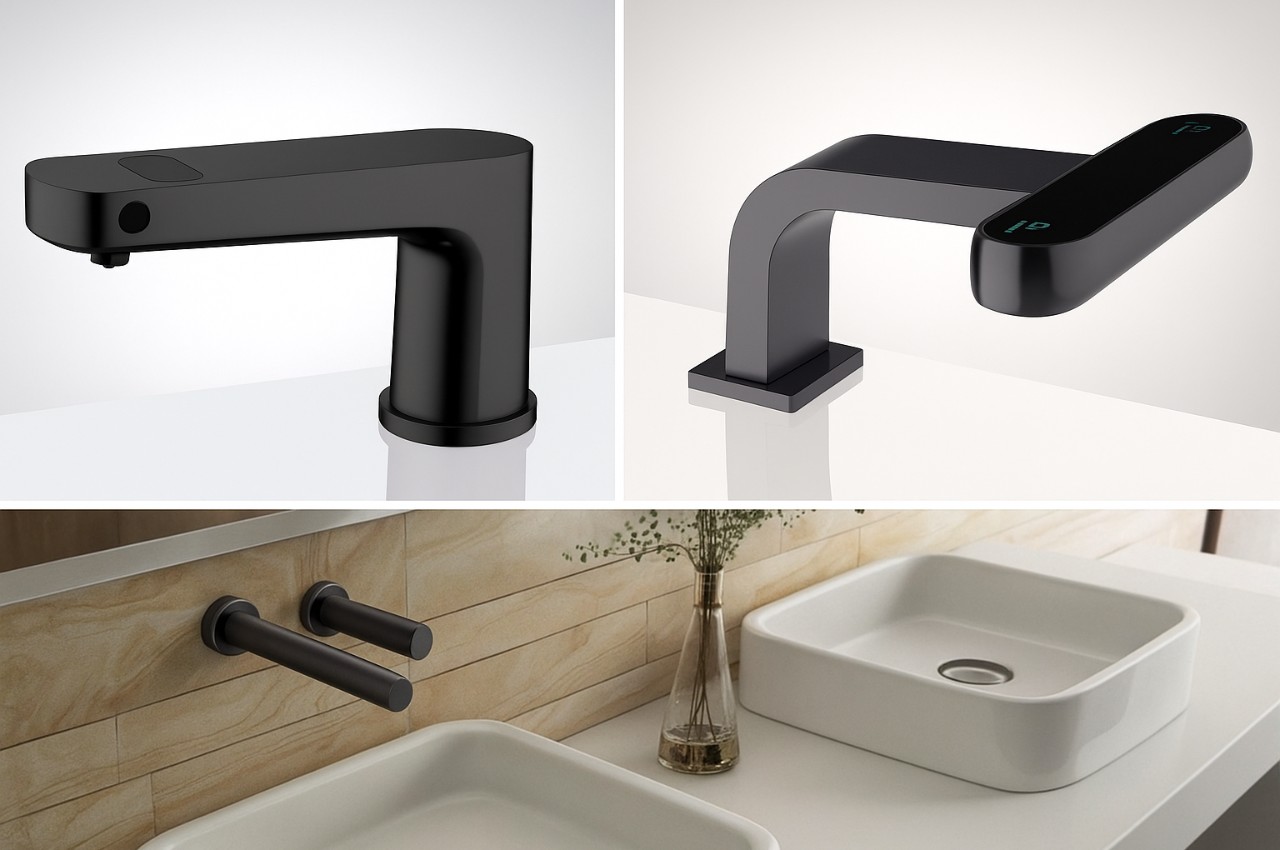
- Sensor-Activated Faucets
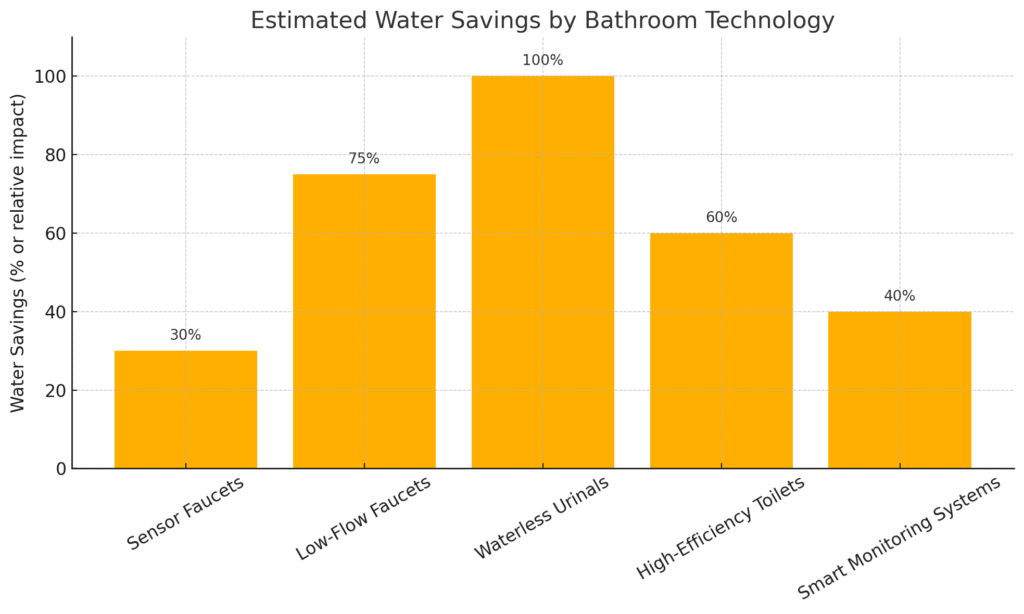
These touchless faucets also save water through automatic turn-off when not being used. The more recent models feature adjustable flow rates for water and sensor ranges to make sure water is dispensed only when hands are present.
Benefits: Saves water, promotes cleanliness, and avoids flooding due to neglected taps.
🔗 Sensor Faucets for Public Use – FontanaShowers
- Low-Flow and Aerated Faucet Heads
Low-flow faucet aerators restrict water flow to a paltry 0.5 gallons per minute (GPM), while typical models use 2.2 GPM. Aerators mix air with water in order to provide the same perceived pressure through less water overall.
Benefit: Saves as much as 75% of water without affecting user experience.
🔗 Low-Flow Aerators – Niagara Conservation
- Waterless Urinals
Waterless toilets work on a chemical trap or gravity drain system and require no flushing whatsoever. Modern designs are odor-free and highly sanitary when maintained properly.
Benefit: Saves up to 40,000 gallons of water per urinal annually. Ideal for stadiums, airports, and schools.
🔗 Waterless Urinals Guide – Falcon Waterfree
- High-Efficiency Toilets (HET)
HETs use 1.28 GPF or less, while much older designs used as much as 3.5 GPF. Dual flush toilets offer further saving because the user may choose a low flush or full flush according to the type of waste.
Benefits: Water saving, rebate from the local utility, and new design.
Touch-free flush valves turn on automatically with each use, offering equal performance. Lots of them are programmed for the management related to timings and flushing durations.
🔗 High-Efficiency Toilets – American Standard
- Smart Restroom Monitoring Systems Smart Restroom
Monitoring Systems track water consumption, leakage, and fixture life in real time. They can alert maintenance staff to issues like running toilets or malfunctioning valves before they have the opportunity to fail catastrophically.
Benefits: Enables proactive maintenance, prevents water waste, and enables monitoring of conservation activity.
🔗 Smart Restroom Monitoring – KOHLER
Benefits for Building Owners
Cost Savings
Water-saving devices can reduce water bills 30–50%. Over time, this may be worth tens of thousands of dollars—particularly for large or busy buildings.
🔗 Commercial Savings from Green Plumbing – Green Building Advisor
Compliance and Certifications
Green building regulations such as LEED (Leadership in Energy and Environmental Design), WELL, and city water conservation regulations recognize and reward buildings with water-saving infrastructure. Certifications will enhance a building’s marketability and attract environmentally conscious tenants.
🔗 LEED Water Efficiency Credits – USGBC
Maintenance and Durability
Many newer fixtures, especially sensor-controlled ones, are fashioned with tamper-proof and low-maintenance technology. They deter vandalism and lower the break-down rate compared to standard fixtures.
🔗 Durable Public Fixtures – Bobrick
Environmental Responsibility
Conservation of water is in keeping with regional conservation goals, reduces reliance on municipal infrastructure, and positions the building owner as an environmentally sensitive steward of the world.
🔗 Sustainable Water Management – EPA
Implementation Tips for Success
- Performs a Water Audit
Start by checking current water usage in toilets. Check for high-use fixtures and potential leaks. Utility staff or green building experts can assist with this.
🔗 How to Conduct a Water Audit – Alliance for Water Efficiency
- Select Proper Products
Find fixtures that carry approvals such as WaterSense (by the EPA), which guarantee performance and efficiency. Brand reputation and length of warranty are also important considerations.
🔗 WaterSense Product Search – EPA
- Plan Maintenance
Modernized fixtures often require maintenance. Arrange for regular inspections and instruct custodial personnel on maintaining sensor parts and aerator or cartridge replacement.
🔗 Maintenance for Commercial Restrooms – Sloan
- Educate Users
Simple postings describing the advantages of water-saving fixtures promote courteous use and can enhance your public reputation.
🔗 Promote Green Restrooms – GreenBiz
- Take Advantage of Incentives
Check with local utilities regarding rebates or tax credits on the installation of water-saving technologies. These may offset expenses for the initial investment.
🔗 Rebate Finder – EPA WaterSense
- Looking Ahead: The Future of Smart Restrooms
The future is intelligent and sustainable. AI-driven systems, predictive maintenance, and cloud-based usage dashboards will become the norm in the design of public toilets. Early adopters of this technology will enjoy cost savings, a satisfied tenant base, and a sharp competitive advantage.
🔗 The Future of Restroom Design – ArchDaily
Conclusion
Upgrading to water-conserving technology in public restrooms isn’t just a going-green initiative—it’s sound business. From reduced utility bills to improved hygiene and enhanced sustainability goals, the return is undeniable. If you operate a commercial high-rise or community recreation facility, these technologies can pay with long-term dividends for your building and the environment.
🔗 Commercial Restroom Efficiency Guide – BuildingGreen
💧 Water-Saving Public Bathroom Technologies Overview
| Technology | Description | Salient Features | Advantages / Benefits |
|---|---|---|---|
| Sensor-Activated Faucets | Touchless faucets that functions only when hands are present up close | Adjustable flow rate, motion sensor range | Reduces water wastage, promotes hygiene, avoids flooding |
| Low-Flow & Aerated Faucet Heads | Faucets that resist flow and mix air with water | Flow as low as 0.5 GPM, maintains pressure | Saves up to 75% water, user comfort maintained |
| Waterless Urinals | Urinals that don’t need flushing | Chemical trap or gravity system, designed for odor-control | Saves ~40,000 gallons/year/unit, ideal for high-traffic restrooms |
| High-Efficiency Toilets (HETs) | Toilets using 1.28 GPF or less | Dual-flush options (light/full), modern designs | Reduces water use, qualifies for rebates, stylish & efficient |
| Touch-Free Flush Valves | Automatically flush after each usage | Sensor-based, programmable timings | Enhances hygiene, avoids over-flushing, reduces contact contamination |
| Smart Restroom Monitoring Systems | Tracks water usage and fixture performance in real-time | Leak detection, lifespan monitoring, alerts for maintenance related problems | Enables proactive repairs, reduces waste, improves system oversight |
🏢 Benefits for Building Owners
| Category | Details |
|---|---|
| 💰 Cost Savings | Reduces average water bills by 30 -50% for high consumption residential buildings. |
| 🏅 Certifications | Assists in LEED certification, WELL standards, and other green building standards; enhances marketability of buildings |
| 🔧 Maintenance | Tamper-resistant, long-lasting hardware is less maintenance-intensive. Fewer plumbing disruptions |
| 🌍 Sustainability | Often promotes environmental goals and purposes; decreases strain on the public systems and networks; enhances general business reputation |


Location: Atlanta, GAProfile: Interior designer with expertise in high-end hospitality and luxury residential washroom design. Known for creating cohesive aesthetic environments where aviation-style touchless faucets are focal design elements.
No responses yet