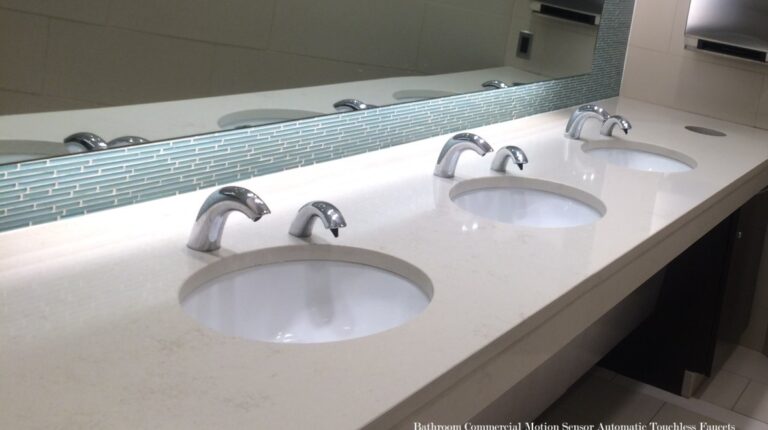

Sensor Technology Performance Standards for Commercial MEP Projects
Sensor reliability in high-traffic commercial restrooms depends on detection stability, calibrated activation, dependable valve control, electrical coordination, basin geometry and maintainable access. Large venues make those engineering requirements particularly visible.
Las Vegas MLB Stadium Memorial StadiumSensor Performance Should Be Evaluated as a Complete Fixture System
A sensor faucet combines the detection device, controller, power supply, solenoid valve, waterway and architectural installation. Reliable operation depends on how these elements interact after the fixture is installed.
In high-use environments, seemingly small inconsistencies can be repeated across large fixture populations. Missed detection slows the user, while excessive detection range can produce unwanted activation.
MEP specifications should therefore define the intended operating result rather than relying only on generic sensor terminology.
Read More
The sensor itself is only the first step. Its signal must be interpreted by the controller, translated into valve operation and supported by a stable electrical source.
Commissioning should include multiple cycles, various approach positions, wet basin surfaces, permanent lighting and neighboring fixtures.
Large projects such as the Las Vegas MLB Stadium illustrate why touchless fixtures should be treated as operational infrastructure rather than isolated decorative components.

Stadium Restrooms Expose Sensor Weaknesses Quickly
Event venues experience concentrated demand before events, during intervals and immediately after major activity periods. Repeated fixture banks must remain predictable even when many neighboring faucets are operating simultaneously.
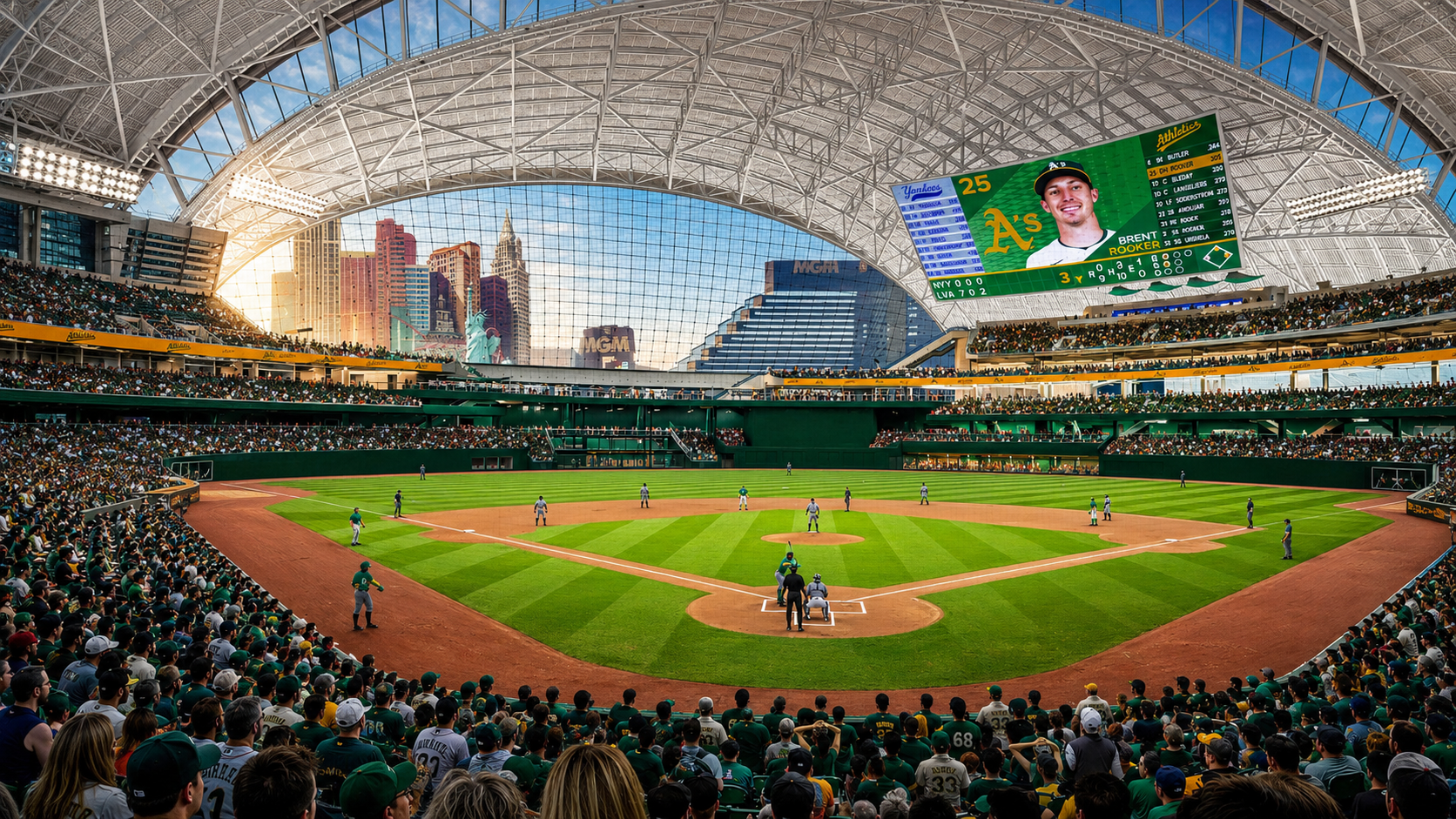
New Las Vegas MLB Stadium
Large sports venues provide a useful reference for evaluating fixture throughput, standardization, commissioning and service access.
Read More
During peak event periods, a small detection problem can be repeated hundreds or thousands of times. Users should not need to search for a narrow activation point beneath each faucet.
Conversely, detection should not extend excessively outside the intended wash zone, where people passing nearby or interacting with an adjacent station may initiate unintended operation.
Stadium commissioning should therefore include repeated simultaneous operation across representative fixture banks.
Commercial Sensor Acceptance Criteria
Instead of imposing one arbitrary detection distance on every commercial fixture, engineers should define functional acceptance requirements and commission each approved model within its supported operating range.
| Performance Item | Design Review | Field Verification | Engineering Objective |
|---|---|---|---|
| Detection Zone | Review sensor orientation and adjustment capability. | Test normal hand-approach positions. | Reliable activation without searching for the sensor. |
| Response | Review controller and operating sequence. | Perform repeated consecutive activation cycles. | Consistent response during high throughput. |
| False Activation | Review environmental limitations. | Observe while the detection field remains empty. | Reduce unintended water and valve cycling. |
| Reset / Shutoff | Review control logic and timeout function. | Remove hands and verify closure. | Predictable transition back to standby. |
| Adjacent Fixtures | Coordinate sink-bank spacing. | Operate neighboring stations simultaneously. | Reduce interaction between nearby sensing fields. |
| Wet Basin Stability | Coordinate sensor angle and basin geometry. | Repeat activation after surfaces become wet. | Maintain stable sensing under normal use. |
| Power Integrity | Verify AC, DC, battery or hybrid requirements. | Test while the solenoid is energized. | Maintain dependable valve actuation. |
| Service Access | Locate controller, power source and solenoid. | Demonstrate physical service access. | Reduce fixture downtime. |
IR, Time-of-Flight and mmWave Should Not Be Treated as the Same Technology
Infrared
Infrared systems typically evaluate reflected optical energy. Sensor angle, target position and reflective surrounding surfaces can influence installed behavior.
Time-of-Flight
Time-of-Flight systems measure optical travel characteristics to estimate distance. The approved product’s actual ranging envelope remains the important design consideration.
mmWave
Millimeter-wave systems use radio-frequency sensing rather than optical reflectance and therefore require their own installation and commissioning criteria.
Read More
Technology type alone does not guarantee acceptable performance. The same sensor architecture can behave differently when installed with different basins, countertop materials, mirrors or fixture spacing.
Specifications should therefore emphasize repeatable installed operation and model-specific adjustment procedures.
Different Faucet Geometries Require Different MEP Coordination


High-Capacity Venue Context
Stadium architecture helps illustrate why public restroom systems need dependable fixture response, repeatable component layouts and service strategies capable of supporting very large occupant loads.
Las Vegas MLB Stadium
Major sports infrastructure provides a relevant context for high-volume sensor fixture planning.

UNL Memorial Stadium
Game-day operations demonstrate why repeated fixture banks need consistent behavior and practical maintenance access.

Neyland Stadium
High-capacity collegiate venue architecture demonstrates the scale at which circulation and restroom performance become infrastructure issues.

Darrell K Royal–Texas Memorial Stadium
Extremely large occupant populations reinforce the need for coordinated public restroom infrastructure.

Levi’s Stadium
Contemporary stadium programs require coordination between architecture, plumbing infrastructure and visitor circulation.

SoFi Stadium
Multipurpose event architecture highlights the need for building services that can accommodate radically different event populations.
Read More
Stadium size does not itself determine fixture quantities. Fixture counts remain governed by the applicable code, occupancy classification, project program and authority having jurisdiction.
The engineering relevance is operational scale. Restrooms may be distributed across multiple concourses, premium areas, staff zones and public levels, each containing repeated fixture banks that facility personnel must maintain.
Calibrate After the Architectural Environment Is Complete
Final sensor adjustment should reflect the finished restroom, including permanent lighting, mirrors, countertops, basins, backsplash materials and adjacent fixtures.
Read More
Mirrors, polished metal, drain surfaces and wet basins can alter the optical environment around some sensor systems.
Protective construction films and temporary lighting should therefore not form the basis of final calibration.
The accepted setting should be documented so future maintenance personnel have a baseline for comparison.

Responsive Activation Is Only One Part of Commercial Reliability
Repeatability
Consecutive users should receive consistent sensor response across repeated operating cycles.
Valve Control
Detection must translate into dependable valve opening, closure and reset.
Power Stability
Electrical performance should remain stable while the valve is energized.
Maintainability
Controllers, filters, batteries and valves must remain accessible after construction.
Read More
Reliability also benefits from system standardization. Repeating compatible fixture families can simplify troubleshooting, spare-parts planning and technician training.
A sensor fixture may operate correctly on opening day yet create excessive downtime later if the solenoid or controller is inaccessible behind completed casework.
Sensor Performance Depends on the Complete Power and Control Path
Commercial touchless fixtures may use battery, AC, DC or hybrid configurations depending on the approved model.
The electrical strategy should therefore be coordinated before counters, millwork and access panels are finalized.
Read More
Large fixture banks should also be evaluated from a failure-containment standpoint. Designers should understand whether a power issue affects one faucet or an entire group.
Cable routing, connector protection and below-deck moisture exposure should also form part of the coordination review.

Commercial Fixture Performance at Venue Scale

Las Vegas MLB Stadium
High-volume venue programs require consistent operation across large restroom fixture populations.

Memorial Stadium
Peak-event operating conditions rapidly expose inconsistent fixture performance.
Read More
Representative restroom banks should be tested as groups rather than assuming successful operation of one faucet proves that every station behaves identically.
The commissioning record should identify fixture location, accepted sensor adjustment, power configuration and any corrective work completed during testing.
Recommended Sensor Faucet Commissioning Sequence
Read More
A practical commissioning report should identify restroom, fixture bank, model, power source, final sensor adjustment and observed abnormal behavior.
Representative photographs may also help facility personnel understand the accepted relationship between the faucet, basin, mirrors and neighboring fixtures.
Commercial Touchless Faucet Models
Product geometry varies significantly. Model-specific documentation should therefore be reviewed for sensing, power, mounting, plumbing and service requirements.


What Should Be Documented Before Fixture Approval?
Sensor Information
Detection architecture, adjustment procedure, operating range, timeout behavior and installation limitations.
Electrical Information
Required voltage, batteries, transformer arrangement, controller connections and service access.
Plumbing Information
Flow device, water pressure, isolation, mixing configuration, strainer and solenoid arrangement.
Read More
Architectural coordination should also document faucet reach, basin dimensions, counter penetration, stream landing, backsplash conditions and reflective finishes close to the sensor field.
Maintenance information should identify controller location, power source, solenoid, filter access and the approved method for changing sensor settings.
Product Compliance and Sensor Commissioning Are Related but Not Interchangeable
Applicable plumbing, accessibility, potable-water and efficiency requirements should be confirmed for the selected model. Product compliance documentation does not eliminate the need for functional testing after installation.
Define Reliability Before Fixtures Reach the Jobsite
A commercial sensor-faucet specification should address detection stability, reset behavior, power integrity, basin interaction and component access—not simply sensor type and finish.
Read More
The strongest acceptance process combines model-specific technical information with installed-condition testing.
This gives the design team measurable expectations while providing facility personnel with a documented baseline for future maintenance.
In stadiums and other mission-critical public restrooms, the sensor should therefore be considered a control component within the MEP system.